How Djini.ai Automates Mobile App Security Testing with AI
Djini.ai uses autonomous AI agents to find vulnerabilities in Android and iOS apps — automating the parts of mobile security testing that have always required the most manual effort.
Mobile application security testing has a scalability problem. The manual process — static analysis, dynamic instrumentation, traffic interception, native code fuzzing, crash triage — takes days per app. Security teams are overwhelmed. Bug backlogs grow. Vulnerabilities ship to production.
Djini.ai is the first AI-native platform purpose-built to automate this process for Android and iOS. It does not just run a checklist. It deploys autonomous AI agents that execute real app flows, trigger edge cases, and validate exploitability — without waiting for a human to drive every step.
This guide covers what Djini.ai does, how it works, and who it is built for.
The Problem Djini.ai Solves
Traditional mobile security testing has two major bottlenecks:
Bottleneck 1: Application-layer testing is time-intensive
Testing authentication flows, session management, data storage, API endpoints, and WebView configurations requires running through dozens of scenarios manually. For a typical production app, this takes a senior researcher 3–5 days. At scale — testing 50 apps per quarter — that is an impossible workload for most security teams.
Bottleneck 2: Native code testing requires rare expertise
Finding memory corruption vulnerabilities in Android native libraries (heap overflows, use-after-free, integer overflows in native parsers) requires expertise most organizations do not have internally. The researchers who can do this well are scarce and expensive.
Djini.ai automates meaningful portions of both bottlenecks.
What Djini.ai Does
Agentic Runtime Testing
AI agents execute real app flows on live iOS and Android devices, trigger edge cases autonomously, and validate whether identified issues are actually exploitable.
Native Surface Fuzzing
Blackbox fuzzing against native interfaces — automatically discovering memory corruption bugs in C/C++ code without manual harness writing.
Agentic Code Intelligence
Autonomous static analysis that identifies high-risk code paths, insecure data flows, and dangerous function calls across the app’s full codebase.
Exploit PoC Studio
Automated proof-of-concept generation for confirmed vulnerabilities, reducing the time from finding a bug to having a demonstrable exploit.
How the Agentic Runtime Testing Works
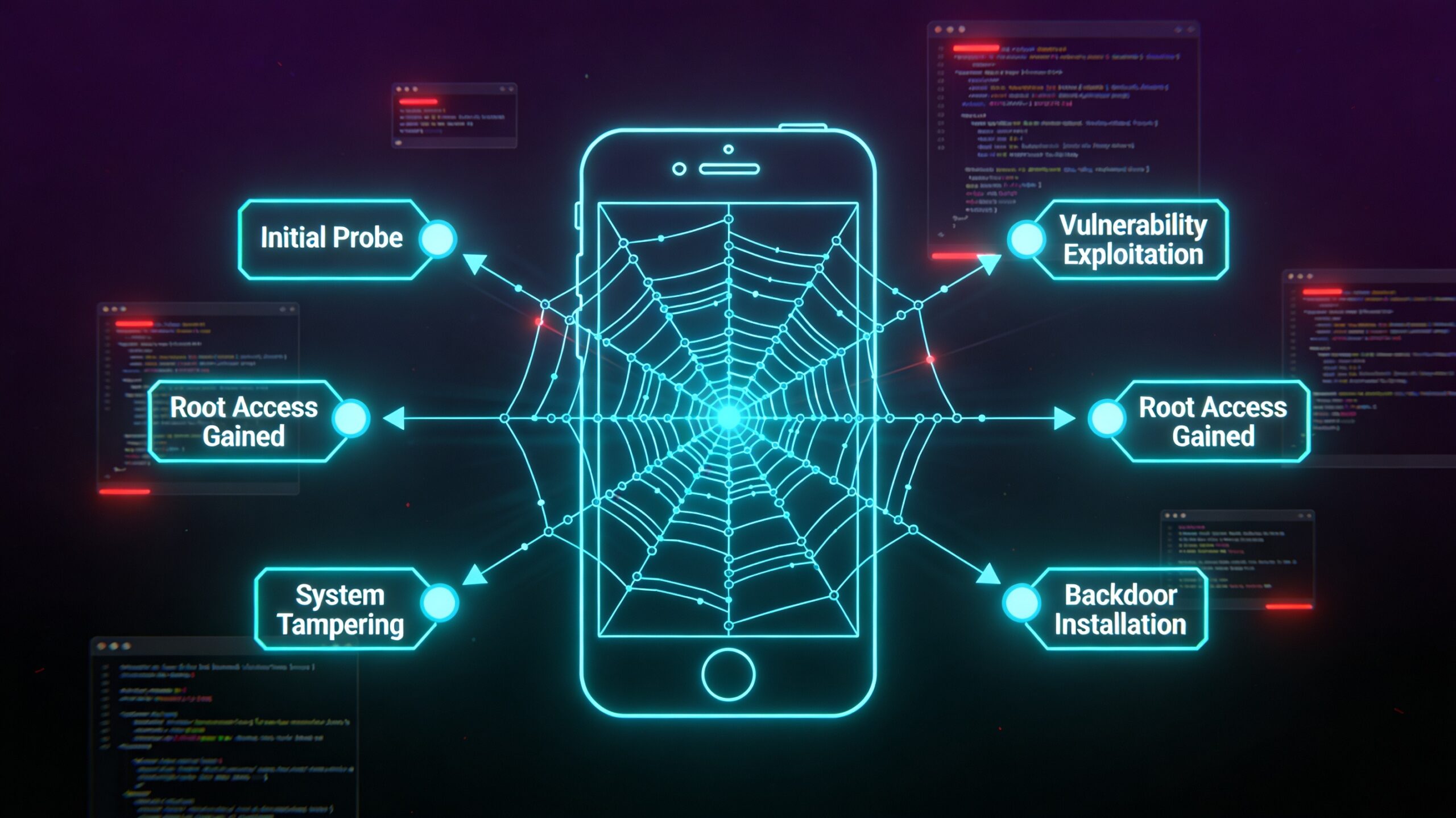
This is the most distinctive capability. Traditional dynamic analysis tools require a human to manually drive the app through test scenarios. Djini.ai’s AI agents do this autonomously:
Djini.ai vs Manual Testing: What Gets Automated
Djini does not replace human researchers for complex, context-dependent vulnerabilities. But it automates the high-volume, systematic parts of mobile security assessment:
- Automated: Surface enumeration, known vulnerability pattern detection, authentication flow testing, data storage assessment, automated crash discovery in native code
- Still human-driven: Complex business logic vulnerabilities, chained exploit development, context-dependent authorization issues, novel vulnerability classes
The practical result: a penetration tester using Djini.ai can cover the same scope in one day that previously took three. The manual effort goes toward the findings that actually require human judgment.
Who Uses Djini.ai
Penetration testers and bug bounty hunters
The AppSec Bundle is built for this use case. It automates the systematic discovery phase of a mobile assessment, freeing the researcher to focus on chained attacks and complex business logic. For bug bounty hunters targeting Android apps, Djini’s native surface fuzzing can surface memory corruption bugs that manual testing would never reach.
Security researchers
The Research Bundle adds deeper native code analysis capabilities — designed for researchers focusing on finding CVEs in Android platform components and third-party libraries. The automated fuzzing + crash triage workflow significantly compresses the time from target selection to working PoC.
Enterprise security teams
Enterprise customers use Djini for CI/CD-integrated security testing — running automated mobile security assessments on every release build, with findings feeding directly into the engineering workflow. The Enterprise tier supports private deployment and custom models for organizations with strict data residency requirements.
Pricing
AppSec Bundle
For pentesters and bug bounty hunters
Research Bundle
For native code vulnerability researchers
Enterprise
Private deployment, CI/CD, white-labeling
The Learning Connection
Djini.ai and Mobile Hacking Lab come from the same team. The practical knowledge that goes into the MHL courses — how to fuzz Android native libraries, how to triage crashes, how to develop exploits — is the same knowledge that powers Djini’s automated capabilities.
Understanding how the automation works makes you better at using it. Researchers who have completed the AFE course understand Djini’s output at a deeper level: they recognize which findings require immediate attention, which need further investigation, and how to exploit the crashes Djini surfaces.
If you are learning mobile security: start with the free courses. If you are doing professional mobile security work: Djini.ai scales your capability.
Try Djini.ai
Autonomous AI vulnerability discovery for Android and iOS. No setup required — upload your app and start finding vulnerabilities.